Capsicum and Digestion: What a Red Pepper Trial Actually Measured
One small double-blind trial, pointed at the digestion line on the label: what it measured week by week.
Gelatide Official Website›Blog›Raspberry Ketone Lab Research
The Gelatide blog
Raspberry ketone’s anti-obesity research runs through mice fed high-fat diets containing the compound, isolated rat and mouse fat cells treated with it in a dish, and, more recently, ovariectomy-induced obese rats. A 2005 study in mice and rat fat cells started the line of research; 2010 and 2017 follow-ups repeated and extended it in mouse fat-cell cultures and in a rat model. None of it is a human clinical trial, and the doses tested were set as percentages of rodent diets or as laboratory concentrations, not milligrams matched to a person.
Below: exactly what each study tested, at what scale, and how far that reaches toward a Gelatide dropper.
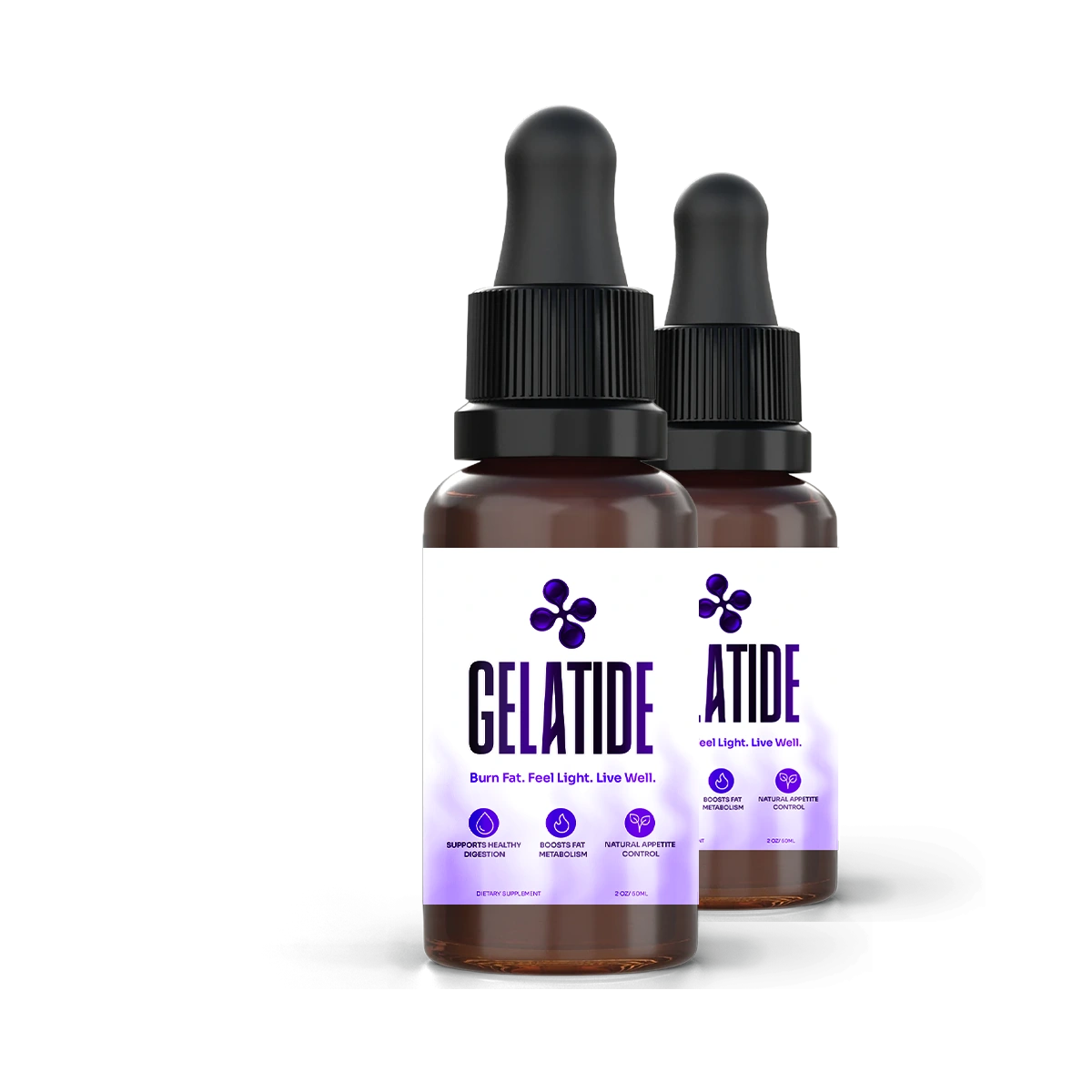
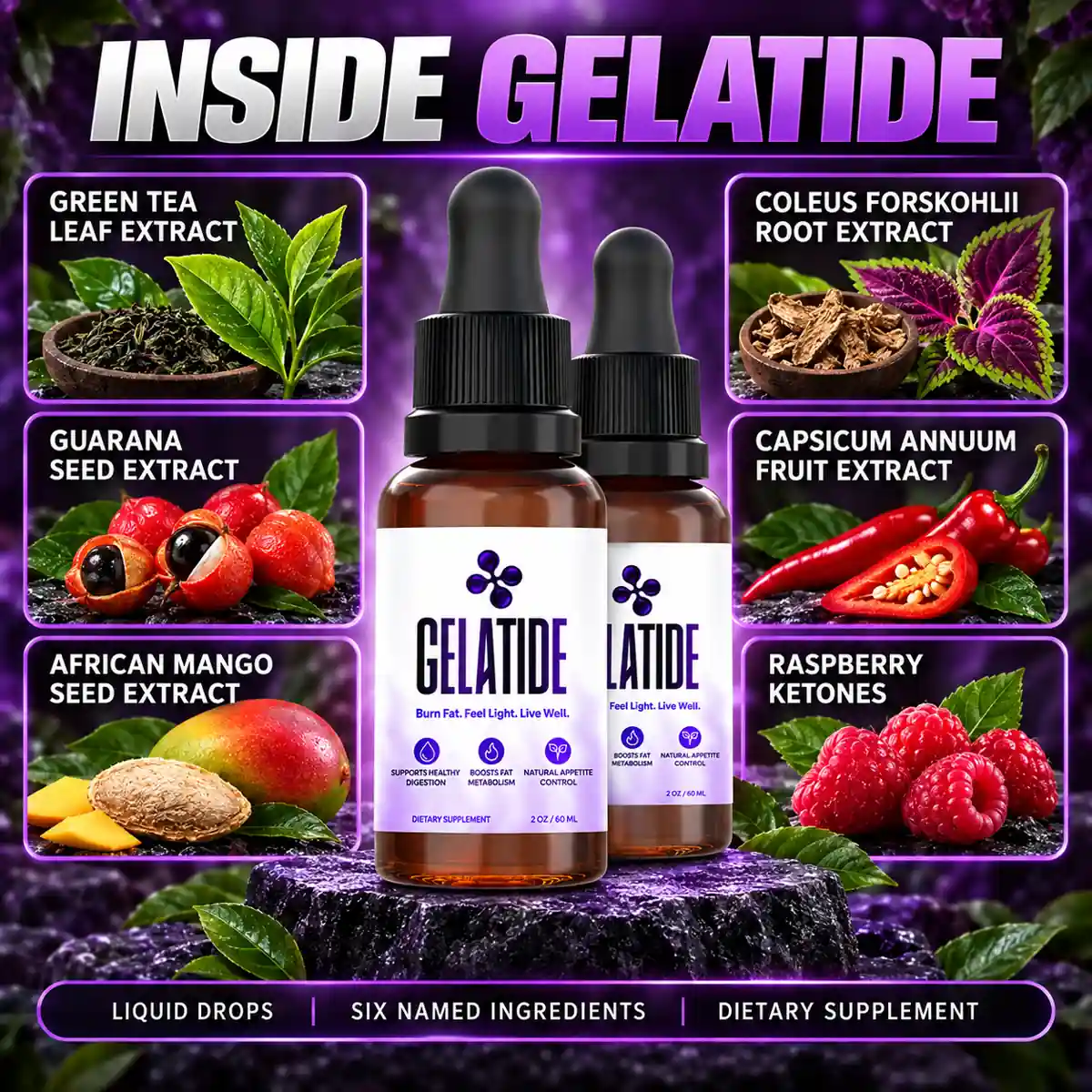
Per the site’s own supplement facts page, Gelatide’s front label and INSIDE GELATIDE ingredient card name six ingredients: Green Tea (Camellia sinensis) Leaf Extract, Guarana (Paullinia cupana) Seed Extract, African Mango (Irvingia gabonensis) Seed Extract, Coleus Forskohlii Root Extract, Capsicum Annuum Fruit Extract, and Raspberry Ketones. None carry a printed milligram amount; there is no Supplement Facts panel or serving size published on any artwork supplied for this product.
Raspberry ketones close out that list, sixth of six. It is also the ingredient with the shortest distance between its marketing reputation and its actual published evidence, which is entirely preclinical: rodents and isolated cells, not people. This post is about what those studies specifically tested, because “raspberry ketone burns fat” and “raspberry ketone increased lipolysis in a dish of mouse fat cells given 10 micromolar of it” are two very different sentences describing the same body of research.
Raspberry ketone, chemically 4-(4-hydroxyphenyl)butan-2-one, is the aromatic compound largely responsible for red raspberries’ characteristic smell. The researchers who first tested it for weight-related effects made a point, in their own introduction, of its resemblance to two other well-known compounds: “the structure of RK is similar to the structures of capsaicin and synephrine, compounds known to exert anti-obese actions and alter the lipid metabolism.” Capsaicin, from chili peppers, is the same family of compound behind the capsicum ingredient also named on the Gelatide label; this domain’s capsicum and digestion post covers its own, separate human trial record. That structural resemblance was the reason researchers thought raspberry ketone was worth testing for similar effects in the first place, not evidence on its own that it works the same way.
The origin of raspberry ketone’s anti-obesity reputation is a 2005 paper in Life Sciences, Anti-obese action of raspberry ketone. The researchers ran two separate experiments. In the first, mice were fed a high-fat diet containing 0.5, 1 or 2 percent raspberry ketone by weight for 10 weeks, alongside a comparison in which mice were first fed a high-fat diet for 6 weeks and then switched to the same high-fat diet with 1 percent raspberry ketone added for a further 5 weeks. In the second, the researchers isolated fat cells directly from rat epididymal fat tissue and treated them in a dish.
In the mice, raspberry ketone prevented the weight gain, and the increases in liver and visceral fat-pad weight, that the high-fat diet otherwise produced, and it partly reversed those increases when added after the weight gain had already happened. In the isolated rat fat cells, raspberry ketone significantly increased lipolysis, but specifically the lipolysis triggered by norepinephrine, and this was tied to the hormone-sensitive lipase enzyme moving from inside the cell to the surface of its fat droplets. The paper’s own conclusion is precise about what that means: the effects “appear to stem from the action of RK in altering the lipid metabolism, or more specifically, in increasing norepinephrine-induced lipolysis in white adipocytes,” not from raspberry ketone triggering fat breakdown by itself.
| What was tested | What was found | |
|---|---|---|
| Mice, prevention arm | High-fat diet + 0.5–2% raspberry ketone, 10 weeks | Prevented diet-induced weight and fat-pad gain |
| Mice, reversal arm | High-fat diet 6 weeks, then +1% raspberry ketone, 5 more weeks | Reduced weight and liver triglycerides already gained |
| Rat fat cells, isolated | Raspberry ketone treatment in a dish | Amplified norepinephrine-induced lipolysis via HSL movement |
Lipolysis is simply the breakdown of the fat stored inside fat cells into fatty acids the body can use for energy. It does not happen on its own; it is switched on mainly by hormones, and norepinephrine, the “fight or flight” signal, is one of the main triggers. The enzyme that actually carries out the breakdown is hormone-sensitive lipase, HSL, and for it to work it has to move from floating in the cell’s interior to sitting on the surface of the fat droplet it is going to act on. What the 2005 study found is that raspberry ketone made that norepinephrine-to-HSL chain work more efficiently, not that raspberry ketone flips the switch by itself. That distinction, a modifier of an existing hormonal signal rather than an independent trigger, is the mechanism every later study builds on.
A 2010 paper in Planta Medica, Raspberry ketone increases both lipolysis and fatty acid oxidation in 3T3-L1 adipocytes, moved the question into 3T3-L1 cells, a standard mouse fat-cell line grown in culture rather than isolated from an animal each time. Treating these cells with 10 micromolar of raspberry ketone increased lipolysis, increased both the expression and the secretion of adiponectin, the same fat-tissue hormone discussed on this domain’s African mango post, and increased fatty acid oxidation while reducing lipid accumulation in the cells.
A 2017 paper in the Journal of Agricultural and Food Chemistry, Raspberry Ketone Reduced Lipid Accumulation in 3T3-L1 Cells and Ovariectomy-Induced Obesity in Wistar Rats by Regulating Autophagy Mechanisms, went further, adding a live-animal arm. In 3T3-L1 cells, 300 micromolar of raspberry ketone reduced lipid accumulation and lowered expression of several fat-storage genes. In ovariectomized rats, a model that induces obesity by removing the ovaries to mimic a post-menopausal hormonal state, daily raspberry ketone lowered body weight (from 386 grams down to 352.6 grams on average), fat mass (from 5.0 grams down to 3.2 grams) and average fat-cell size, alongside reduced expression of the same fat-storage genes seen in the cell-culture experiment.
| 2010, mouse fat cells | 2017, mouse fat cells + obese rats | |
|---|---|---|
| Cell concentration | 10 µM | 300 µM |
| Live animal arm | None | Ovariectomy-induced obese Wistar rats |
| Adiponectin | Expression and secretion increased | Not the focus |
| Rat body weight | – | 386 g → 352.6 g with raspberry ketone |
| Rat fat mass | – | 5.0 g → 3.2 g with raspberry ketone |
Every number in this post comes from one of two settings: fat cells growing in a laboratory dish, dosed in micromolar concentrations of raspberry ketone dissolved in culture medium, or rodents, dosed by mixing raspberry ketone directly into their food as a percentage of total diet weight, or given daily amounts scaled to their body weight. Neither setting produces a number that converts cleanly into a milligram dose for a person taking drops by mouth. A percentage of a mouse’s daily food intake and a micromolar concentration bathing a fat cell in a dish are both real, replicated, peer-reviewed measurements, and neither one is a human oral dose.
That gap is the honest reason this post is titled around what the lab-bench research tested, rather than what raspberry ketone does in a person. As of these three studies, raspberry ketone’s anti-obesity evidence has not been tested in a human clinical trial at all; every finding sits at the rodent or cell-culture stage. That is a statement about where the science currently stands, not a verdict on whether the mechanism could eventually matter in people.
Shake well, take one or two full droppers a day, and give the routine a few weeks before judging it. Every order carries 60 days from the date of purchase to decide.
6 bottles $294 · 3 bottles $207 · 2 bottles $158 + $9.99 shipping
Order Gelatide60 days from purchase to claim · orders through the checkout only
Gelatide names raspberry ketones as one of six ingredients, without a milligram amount, which means there is no way to compare a dropper against the 0.5–2 percent dietary concentrations used in mice, the 10–300 micromolar concentrations used on fat cells in a dish, or the daily rodent doses used in the obese-rat study. What can be said is that the compound’s proposed mechanism, amplifying norepinephrine-triggered fat breakdown rather than acting alone, is consistent across three separate research groups and more than a decade of publications, even though it has stayed at the rodent and cell-culture stage throughout.
The structural comparison the 2005 paper drew to capsaicin is also worth keeping in mind, because capsicum is a second, separately named ingredient on this same label. The two compounds are not identical and were not tested together in any of the three raspberry ketone papers, but the resemblance the researchers themselves pointed to is one reason capsaicin-type compounds keep appearing across different weight-related supplement ingredients: a shared structural family does not mean a shared strength of evidence, and capsicum is the ingredient on this label with an actual published human trial behind it, which raspberry ketone does not yet have.
If you are comparing raspberry ketone against the label’s other five named ingredients, the ingredients page sets them side by side, and the capsicum and digestion post covers that one ingredient’s own human trial in full.
Raspberry ketone’s research record is real, consistent across three separate papers, and entirely preclinical. A 2005 study in mice and isolated rat fat cells first showed it could prevent diet-induced weight gain and amplify hormone-triggered fat breakdown; 2010 and 2017 follow-ups repeated and extended that picture in mouse fat-cell cultures and, in the more recent paper, in obese rats. None of the three tested a person, and none of the doses used were set at a scale that maps onto a milligram amount for a supplement dropper. Gelatide names raspberry ketones without disclosing one, so the fair statement is that the lab-bench mechanism is genuinely published and repeated, and that it has not yet been tested at the one scale that would say what it does for a person taking Gelatide by mouth.
Because raspberry ketone’s weight-related research has not progressed to human trials, its effects and any interactions in people are not established by the studies described here. If you are pregnant, nursing, manage a chronic condition or take prescription medicine, talk to a doctor or pharmacist before adding a raspberry ketone-containing supplement. Gelatide is not intended to diagnose, treat, cure or prevent any disease.
Keep reading the blog
More questions the label raises, each followed to the research.
One small double-blind trial, pointed at the digestion line on the label: what it measured week by week.
A men’s trial, a women’s trial and a 2026 trial of the same root, set side by side.

The label allows one or two full droppers and names no starting dose.