Capsicum and Digestion: What a Red Pepper Trial Actually Measured
One small double-blind trial, pointed at the digestion line on the label: what it measured week by week, and how far it reaches to a dropper.
Gelatide Official Website›Blog›One Dropper or Two
The Gelatide blog
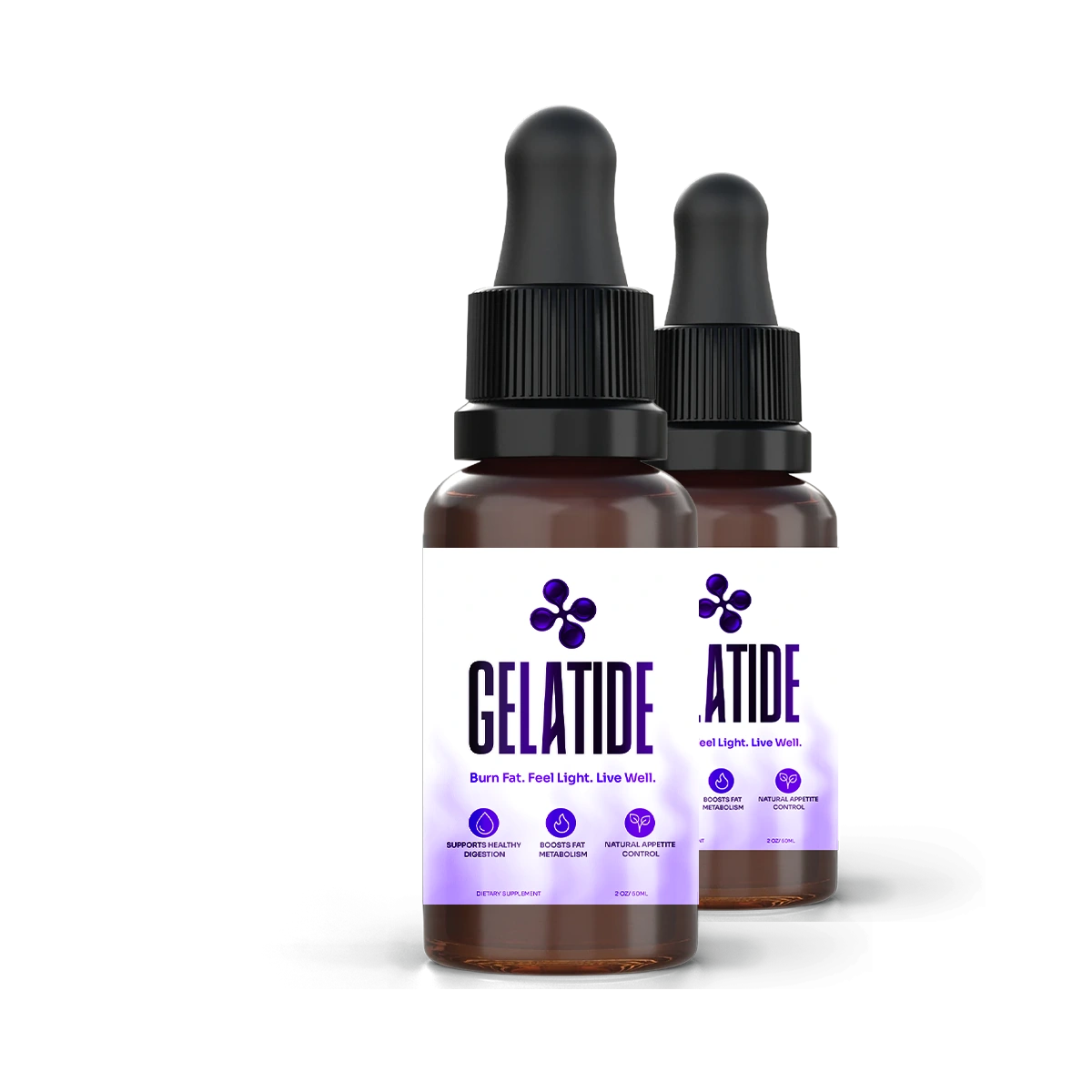
The Gelatide dosage is one or two full droppers a day: shake the bottle well, fill the dropper, then place it in your mouth and swallow. The label leaves the starting dose to you. Guarana carries caffeine and green tea leaf normally adds some, so one full dropper with food in the morning is the cautious start. Move to two only if one sits well, and keep the same time of day.
Below: what the directions say and leave to you, the case for each, a two-week way to decide, and who should take neither.
Three short sentences make up the whole of the Gelatide directions: shake well before each use; take 1 or 2 droppers full daily; place in mouth and swallow. Each one carries something specific.
What the directions leave to you is just as useful to know. They name no starting dose within the range, no time of day and nothing about food. The rest of this post fills those choices in from what is known about the ingredients, and says plainly where that is judgement rather than label.
A full dropper is whatever fills the dropper tube when you squeeze the black bulb, put the tip under the surface and let go. The directions count in droppers rather than millilitres, so the draw is the unit to keep steady.
One piece of arithmetic helps. The seller sells each bottle as a 30-day supply, and each holds 60 mL, so a bottle that lasts the seller’s 30 days is being drawn at about 2 mL a day. Watching how quickly your first bottle goes tells you roughly what your own routine draws.
The strongest reason is caffeine. Guarana seed extract is a caffeine source: in a 2024 cycling trial, 500 mg of guarana extract carried 130 mg of caffeine. Green tea leaf extract normally carries some caffeine too, so the two add up, and one dropper is the cautious way to learn how you take them.
Caffeine is not a small matter for everyone. MedlinePlus notes that it can raise blood pressure, and lists stimulants, certain antibiotics, asthma medicines and heart medicines among the drugs it can interact with. Researchers still argue about how much regular caffeine affects blood pressure over the long run; a critical review traces the disagreement to differences in age, sex, genes, habits, the caffeine content of foods and the way intake is measured. For a first week the practical conclusion is simple: start low and see.
The second reason is capsicum. Warmth in the mouth or stomach is capsaicin’s expected side, and one dropper is a gentler first taste of it than two.
The label allows two full droppers a day, so moving up is within the directions, not beyond them. People move up for plain reasons:
What two droppers cannot promise is a bigger effect. No trial has tested the finished drops at either serving, so there is no evidence that two works better than one, or that one falls short. The choice rests on tolerance and preference, and both are yours to judge.
Two droppers also empty a bottle sooner. If you move up, check that your pack still covers the time you meant it to; the packs page shows the seller’s supply counts.
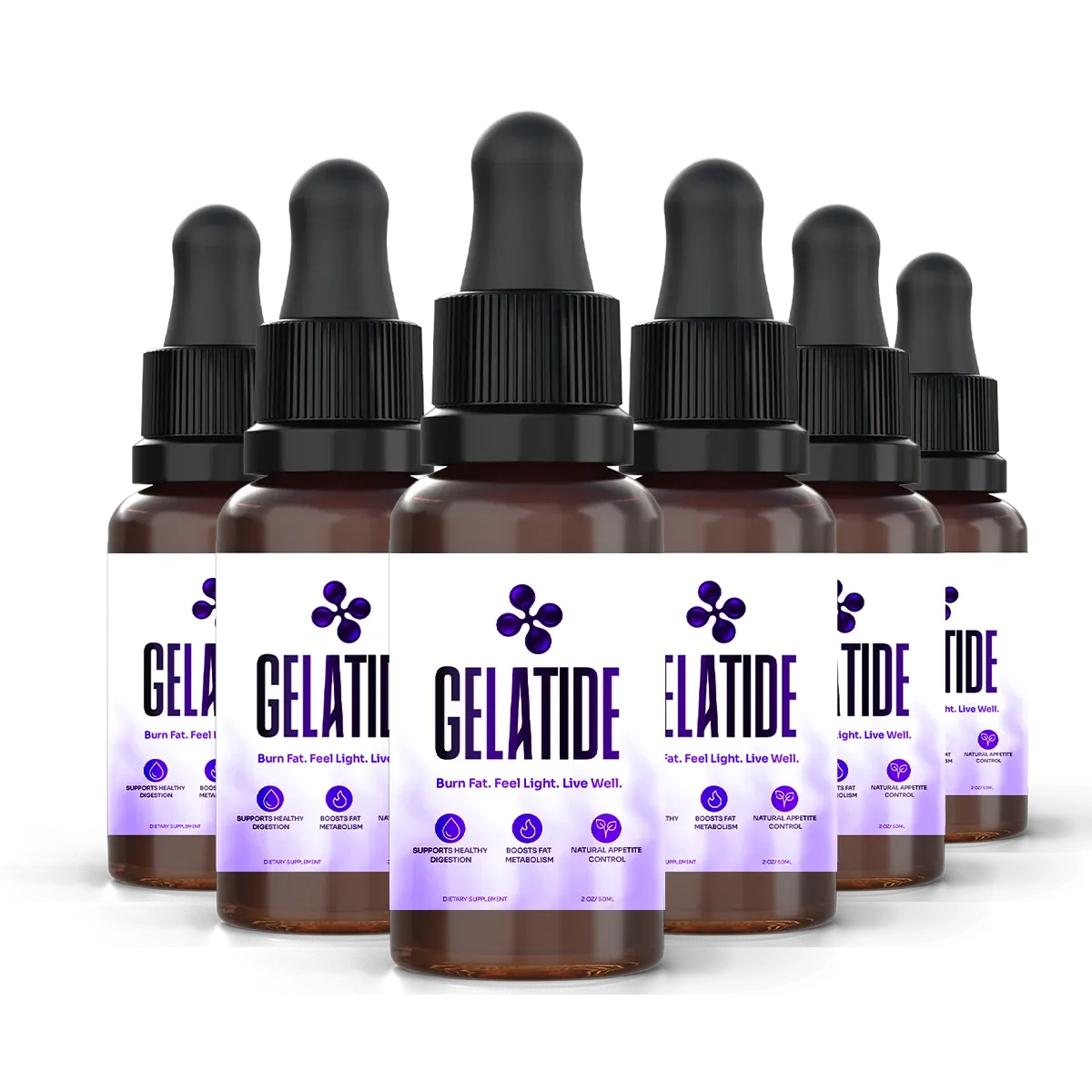
Shake, one full dropper with breakfast, and a week to see how it sits. Every pack carries 60 days from the date of purchase to decide.
6 bottles $294 · 3 bottles $207 · 2 bottles $158 + $9.99 shipping
Order Gelatide On The Official Website60 days from purchase to claim · lot GEL-26/GE-4762 · orders through the checkout only
Everything above, in one table. The last row is the one that matters: neither choice has a trial behind it, so the other rows decide.
| One full dropper | Two full droppers | |
|---|---|---|
| Within the label? | Yes, the bottom of the range | Yes, the top of the range |
| Caffeine | Less, from guarana and green tea | More, from the same two sources |
| Capsicum warmth | Milder | Stronger |
| How long a bottle lasts | Longer | Shorter |
| Suits | A first week, and anyone sensitive to caffeine | Anyone who has taken one comfortably for a week |
| Evidence that it works better | None either way | None either way |
This is a routine, not a medical protocol. It keeps you inside the label at every step, and it changes one thing at a time, so you can tell what caused what.
Shake, one full dropper, swallow, then eat. Note anything unusual: warmth, jitters, a restless night.
Same dropper, same time. If sleep suffers, move the dose earlier rather than adding more.
Two full droppers at the same sitting, still with food. If the caffeine or the warmth is too much, go back to one.
Stay at the serving that sits well. Buyers here most often describe a change at three to six weeks, so hold it steady through them.
Judge it with ten days of the 60-day window left, room to post a tracked return.
The label sets no time of day. Three things make the morning the usual choice.
Caffeine lasts. Its effects run for hours after a dose, so a dropper taken late in the day can follow you to bed. Morning keeps the caffeine where it is least in the way.
Food helps twice. Capsicum’s warmth is gentler on a full stomach, and the United States Pharmacopeia review of green tea extract advises taking concentrated green tea extract with food rather than on an empty stomach.
Habits stick to anchors. A dose tied to breakfast is harder to forget than one tied to sometime today. Seven of the eight detailed reviews this desk holds describe the daily habit sticking, and a fixed anchor makes a habit easier to keep.

A range only means something if each dropper is the same as the last. Four small habits keep it that way.
The daily serving is the first thing buyers at this desk say they liked, in the order book’s own summary, and the shortest line in the review roster, from Ian, 50, is two words long: daily serving. The flip side is the complaint the order book records most often, a slow start, and the line from Miguel, 39: wait past week two.
Read together, they make the same point as the plan above. The serving is easy to live with, and the mistake is judging it too early. Those figures are this desk’s own summary, not a study; the reviews page shows how they are built.
For some people the right number of droppers is zero, and the label’s own audience says so. Skip Gelatide if you are under 18, pregnant or nursing, or have been told to avoid caffeine. If you take a stimulant, an antibiotic, an asthma or heart medicine, or have high blood pressure or a liver condition, take the bottle to a pharmacist before the first dropper. The side effects page sets out each caution with its source.
One full dropper with breakfast for a week, two if one sits well, and never more than the label. The range exists so you can fit the drops to how you handle caffeine and chilli warmth; no study says either end works better. Keep the time and the serving steady from week three, and judge it by day 50 while the refund window is still open. The how to take it page has the directions step by step.
This post is about reading a label, not medical advice. If you take medicine, have a heart or blood-pressure condition, or are unsure whether caffeine suits you, ask a doctor or pharmacist before choosing either serving.
Keep reading the blog
Four more questions the label raises, each followed to the research.
One small double-blind trial, pointed at the digestion line on the label: what it measured week by week, and how far it reaches to a dropper.
A men’s trial, a women’s trial and a 2026 trial of the same root. Three results, set side by side, with the reasons they split.
Three to six weeks, from this desk’s order book, laid against the ingredient trials, the three pack lengths and a 60-day window.

Brewed tea and concentrated extract are different exposures. What the USP review found, the three warning signs, and the habit that matters.