Capsicum and Digestion: What a Red Pepper Trial Actually Measured
One small double-blind trial, pointed at the digestion line on the label: what it measured week by week, and how far it reaches to a dropper.
Gelatide Official Website›Blog›Green Tea Extract and the Liver
The Gelatide blog
A United States Pharmacopeia review found that concentrated green tea extract, unlike brewed tea, has been linked to liver injury in a small number of case reports, at EGCG intakes of about 140 mg to 1,000 mg a day. Taking it on an empty stomach raises how much EGCG reaches the blood. The advice: take it with food, and stop at signs of liver trouble.
Below: tea against extract, what the review did, the warning signs, and what it means for anyone taking Gelatide.
Green tea is one of the most studied drinks in the world, and a cup of it is not what this post is about. Brewed tea delivers its catechins, the family of plant compounds that includes EGCG, dissolved in a few hundred millilitres of water, usually sipped over a meal or a morning.
A green tea extract is a concentrate, made to deliver catechins in a small dose: a tablet, a capsule, a scoop or, in Gelatide’s case, a liquid drop. That changes how much can arrive at once, and how fast. NCCIH reports no safety concerns for green tea drunk as a beverage by adults, and notes that the uncommon cases of liver injury have involved green tea products, mainly extracts in tablet or capsule form. It also lists nausea, constipation, abdominal discomfort and raised blood pressure among the side effects of extract supplements.
The United States Pharmacopeia sets public quality standards for medicines and supplements, and it reviews safety data for the ingredients it writes standards for. In 2020 a USP panel published a comprehensive review of the hepatotoxicity of green tea extracts in Toxicology Reports.
The panel looked first at the obvious suspects. Extracts can carry solvent residues, pesticide residues, pyrrolizidine alkaloids and metals, and any of those could in principle harm a liver. The review found no evidence that they were behind the cases. The problem traced back to the catechins themselves, EGCG above all.
It also found that catechin profiles vary a great deal with how an extract is made, so two products both called green tea extract can deliver quite different amounts.
The most practical finding concerns timing. Animal and human data showed that repeated bolus doses of extract taken while fasting significantly increase how much EGCG reaches the blood. The review suggested that the mechanisms that normally clear catechins on their first pass through the gut and liver become saturated when a concentrated dose arrives on an empty stomach.
In the toxicology studies the injury followed a hepatocellular pattern, meaning damage to the liver cells themselves. In the published case reports it was associated with EGCG intakes from 140 mg to about 1,000 mg a day, and susceptibility varied widely between people, possibly for genetic reasons. NCCIH puts a figure on one of those reasons: people with a particular variant of an immune-system gene appear especially susceptible, and between 5 and 15 percent of Americans carry it.

On the strength of the review, USP added a cautionary labelling requirement to its standard for one form of the ingredient, powdered decaffeinated green tea extract. In substance it says:
That wording applies to products made to that USP standard. The reasoning behind it applies to any concentrated green tea extract, which is why the same caution sits here and on the side effects page for Gelatide.
The USP caution names three signs. They are uncommon, and most people who take green tea extract never see one; the point of knowing them is that the response is simple and immediate.
| Sign | What it looks like | What to do |
|---|---|---|
| Abdominal pain | Pain in the abdomen that is new or will not settle | Stop the drops and seek medical advice |
| Dark urine | Urine the colour of strong tea or cola | Stop the drops and seek medical advice |
| Jaundice | Yellowing of the skin or the whites of the eyes | Stop the drops and seek medical advice promptly |
For clinicians, the NIH’s LiverTox monograph on green tea collects the published cases and the pattern of injury in detail.
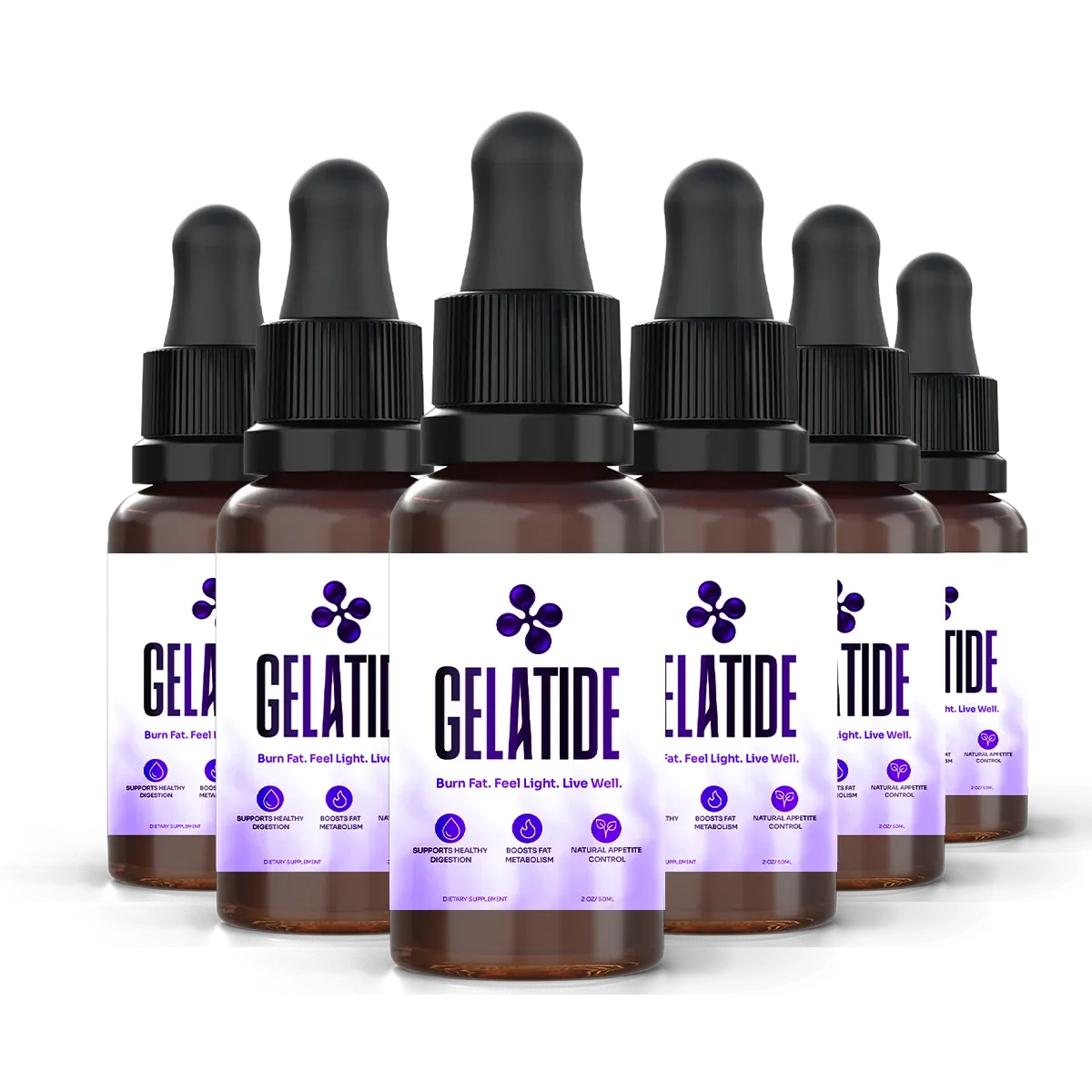
One or two full droppers, shaken first, with breakfast or another meal. Six named ingredients, a 60 mL bottle, and 60 days from the date of purchase to decide.
6 bottles $294 · 3 bottles $207 · 2 bottles $158 + $9.99 shipping
Order Gelatide On The Official Website60 days from purchase to claim · lot GEL-26/GE-4762 · orders through the checkout only
The USP caution was written for a decaffeinated extract. Green tea leaf extract normally carries some caffeine, and guarana seed, another of the six in Gelatide, is a caffeine source in its own right.
That matters for two reasons. Caffeine is one of the reasons green tea extract shows any effect at all in the research, as the next section explains. And it adds its own cautions, from sleep to blood pressure to interactions with stimulants and some heart and asthma medicines, which the side effects page sets out in full.
The USP review gives a range, 140 mg to about 1,000 mg of EGCG a day, and it is fair to ask where a dropper of Gelatide sits in it. Start with the Supplement Facts panel on the bottle and what it declares for a serving. How much of any green tea extract is EGCG depends on how it is standardised, so the extract figure is the start of the answer rather than all of it.
Either way, two habits the review points to cost nothing: take the drops with food, and do not stack them with other green tea extract products or concentrated tea supplements on the same day, because their catechins add up.
Balance matters. Green tea extract is on the label for a reason, and its research is the deepest of the six ingredients. A 2010 meta-analysis of 15 trials and 1,243 people found catechins taken with caffeine lowered body weight by about 1.38 kg and waist by about 1.93 cm, while catechins without caffeine showed no benefit on any measure; the authors called the effect modest at best. An earlier 2009 meta-analysis of 11 studies put the average at about 1.31 kg. The average was smaller in people who already drank a lot of caffeine, though that difference fell short of significance.
Those are small effects, measured for weight rather than digestion, and tied to caffeine, which in Gelatide comes from guarana and normally from the green tea itself. They are the reason the ingredient is there; the USP review is the reason to take it sensibly. The ingredients page sets green tea beside the other five.

You do not have to give up the cup. NCCIH reports no safety concerns for green tea drunk as a beverage by adults, and the USP review is about concentrated extract, not the drink. What is worth a thought is the caffeine: a pot of green tea, a coffee and a caffeine-bearing drop in the same morning add up.
The combination to avoid is a second extract. A green tea capsule, a fat-metabolism powder with green tea in it and a green tea drop on the same day stack concentrated catechins from three labels, and none of them can tell you the total.
Green tea can also change how some medicines behave. NCCIH notes that green tea at high doses has been shown to lower blood levels of nadolol, a beta-blocker used for high blood pressure, and so to reduce how well it works. That is one documented example rather than a complete list.
Add the caffeine that guarana and green tea normally bring, and the list of medicines worth a question before the first dropper grows: stimulants, certain antibiotics, asthma medicines and heart medicines among them. A pharmacist with the bottle in hand can check your own list in a few minutes, which is quicker than any amount of reading.
Concentrated green tea extract has a rare but real link to liver injury, driven by EGCG, made more likely by large doses on an empty stomach, and very uneven between people. Gelatide names green tea leaf extract among its six ingredients, so the same habits apply to it: take the drops with food, keep to the label, avoid doubling up on green tea products, and know the three warning signs.
If you have ever had a liver problem, drink alcohol heavily, or take medicine that affects the liver, speak to a doctor before taking any product that contains green tea extract. Stop at once and seek medical advice if you notice abdominal pain, dark urine or yellowing of the skin or eyes.
Keep reading the blog
Four more questions the label raises, each followed to the research.
One small double-blind trial, pointed at the digestion line on the label: what it measured week by week, and how far it reaches to a dropper.
The label allows one or two full droppers and names no starting dose. Caffeine, capsicum and a two-week plan settle it.
A men’s trial, a women’s trial and a 2026 trial of the same root. Three results, set side by side, with the reasons they split.
Three to six weeks, from this desk’s order book, laid against the ingredient trials, the three pack lengths and a 60-day window.